As of May 2025, the global manufacturing sector continues to grapple with elevated insolvency rates, despite early signs of economic stabilisation. While some regions exhibit resilience, systemic pressures—ranging from geopolitical tensions to inflationary strains—persist, underscoring the need for strategic vigilance.
Navigating Persistent Turbulence
Global Insolvency Trends: A Persistent Challenge
Recent analyses indicate a continued rise in global business insolvencies, with projections suggesting a 6% increase in 2025, following a 10% surge in 2024. This upward trajectory is attributed to factors such as delayed interest rate reductions, ongoing geopolitical uncertainties, and sustained inflationary pressures

Regional Insights: Divergent Trajectories
North America:
- United States: The U.S. manufacturing sector faces mounting challenges, with a notable 22% increase in insolvencies in 2024. Key industries affected include automotive, healthcare, and retail, driven by factors like rising interest rates, labour costs, and shifting consumer behaviours. And it doesn’t seem to get any better with Trump’s interventions. Higher import taxes will affect consumers in the long run, who will hesitate to spend their money.
Europe:
- Germany: Germany's manufacturing sector is under significant strain, marked by a 23% rise in insolvencies in 2024. High energy costs, declining exports, and structural economic challenges contribute to this downturn.
- France and Italy: Both countries have experienced substantial increases in manufacturing insolvencies, with Italy witnessing a 45% surge in 2024. Factors include inflationary pressures, reduced consumer spending, and supply chain disruptions.
Asia-Pacific:
- China: After a period of relative stability, China is projected to see a significantly higher increase in business insolvencies in 2025, now potentially reaching 8-12% rather than the previously projected 5%. This dramatic revision follows Trump's escalation of tariffs on Chinese imports to 145%, with China retaliating with minimum 125% tariffs on US goods and restricting exports of rare earths critical to high-tech industries. Chinese exporters are already seeing orders fall as the sweeping tariffs feed expectations for a global downturn.
- Japan and South Korea: Both nations now face substantially elevated insolvency risks beyond moderate increases, driven not only by export challenges and demographic shifts but critically by new US tariffs of 24% on Japan and 25% on South Korea. These export-oriented economies still rely heavily on the US market, with South Korea being the world's second-largest vehicle exporter to the United States after Mexico. Trump's 25% tariffs on cars and auto parts specifically threaten Asian automakers, while both nations are being forced to recalculate their trade strategies, potentially working more closely with China in areas like green technology and advanced manufacturing.
- Regional Cascade Effects: The potential loss of U.S. market access is forcing regional cooperation agreements between China, Japan, and South Korea to promote alternative trade arrangements, but this pivot cannot immediately compensate for reduced US demand, likely accelerating insolvency rates across export-dependent manufacturers throughout the region.
Key Risk Factors Impacting Manufacturing Insolvencies
1. Geopolitical Tensions and Trade Policies:
Ongoing conflicts and protectionist measures have disrupted global supply chains, leading to increased costs and operational uncertainties for manufacturers.
2. Inflation and Interest Rates:
Persistent inflation has led central banks to maintain higher interest rates, increasing borrowing costs and straining cash flows for manufacturing firms.
3. Supply Chain Vulnerabilities:
Events like the Red Sea shipping disruptions have exposed weaknesses in global logistics, causing delays and increased expenses.
4. Environmental Regulations and Climate Risks:
Stricter environmental policies and climate-related events have necessitated costly adaptations in manufacturing processes, impacting profitability.
Strategic Recommendations for Manufacturers
- Enhance Supply Chain Resilience: Diversify suppliers and invest in supply chain visibility tools to mitigate disruptions.
- Financial Risk Management: Implement robust financial monitoring systems to assess the creditworthiness of partners and anticipate potential defaults.
- Compliance and Regulatory Vigilance: Stay abreast of evolving trade policies and environmental regulations to ensure compliance and avoid penalties.
- Invest in Sustainability: Adopt sustainable manufacturing practices to meet regulatory requirements and appeal to environmentally conscious consumers.
In conclusion, while the global manufacturing sector faces a complex array of challenges, proactive risk management and strategic adaptability can position firms to navigate the ongoing turbulence effectively.
Chapter 1
Why Manufacturing Insolvencies Remain High Despite a Slower Economy in 2025
The global manufacturing sector remains under immense pressure in 2025, driven by a turbulent mix of geopolitical instability, inflationary drag, and climate-related disruption. After years of pandemic-induced upheaval, followed by rising costs and volatile demand, many manufacturers had hoped for calmer waters. Yet, the picture remains mixed. Some have rebuilt their resilience, but many are still navigating serious risks that are feeding into sustained insolvency rates.
According to Creditsafe’s latest data, while global insolvencies in manufacturing showed a slight year-on-year decline of 5.8% as of Q1 2025, this modest improvement belies deeper fractures. The relative stability observed in countries like the USA, UK, and Netherlands masks stark regional differences (particularly in Germany, Italy, and France), where insolvencies continue to rise at an alarming pace.
This year is shaping up to be one of recalibration, as manufacturers assess long-term shifts in sourcing, regulation, and financial exposure. But with supply chains still vulnerable and political climates heating up, is 2025 just another storm before the calm?

Regional Breakdown: Where Are Manufacturing Insolvencies Still Rising in 2025?
Germany, France & Italy: The Axis of Decline
Europe’s industrial backbone—Germany, France, and Italy—continues to face persistent manufacturing distress:
- Germany has seen insolvencies rise by 13% YoY, with the Bundesbank reporting continued weakness in industrial output. Despite easing energy prices, the demand slowdown in China and sluggish domestic investment are keeping pressure on the sector. Electric vehicle (EV) production delays and lower exports to Asia have hit machinery and automotive segments the hardest.
- Italy, still grappling with its manufacturing recession, has seen over 9,700 insolvencies since early 2024. The country’s dependency on gas-intensive production continues to expose it to price shocks, while elevated borrowing costs have frozen SME access to credit.
- France, once hopeful of a rebound, is witnessing a 17% YoY spike in manufacturing insolvencies. Productivity has flatlined, while investment in industrial automation remains limited. The slowdown in Germany has also had a ripple effect across French component
USA: Temporary Respite, But Political Crosswinds Loom
The U.S. manufacturing sector showed surprising resilience in early 2025, with insolvencies dropping from 3,000 to 2,850. Energy-intensive producers benefited from cheaper domestic natural gas and stabilising logistics costs. However, the future trajectory faces mounting uncertainty:
- Growing Republican opposition to Trump's tariff policies is creating political instability, with critics warning that "goods made in America will be more expensive to manufacture" and hints of dissatisfaction emerging among Republicans. The Senate has already passed measures rebuking Trump on trade policy, with bipartisan efforts underway to limit his tariff authority.
- The upcoming 2026 midterm elections in November will see all 435 House seats and 33 Senate seats contested, with Republicans facing historical headwinds as the party in power typically loses congressional seats in midterms, and Democrats targeting 35 Republican-held House districts where the GOP's narrow 220-213 majority could easily flip.
- Petrochemical and automotive manufacturers face growing pressure from California-style EV mandates now adopted in 14 US states, accelerating the shift to zero-emission vehicles and straining legacy fuel manufacturers.
UK & Ireland: From Instability to Measured Recovery
After a volatile two years, the UK and Ireland are showing cautious signs of recovery:
- Insolvencies have stabilised at 248, supported by cooling inflation and renewed investment in domestic infrastructure.
- The food manufacturing sector—once devastated by energy and grain shortages—has benefited from reduced commodity prices and a stabilising euro exchange rate, bolstering exports and improving margins.
Top Risks Fueling Insolvency Risk in 2025
1. Climate Policy & Cash Flow Fragility
Governments are moving faster in 2025 to implement climate mandates—especially around emissions, green energy procurement, and supply chain traceability. While this is a long-term win for the planet, it’s creating severe cashflow issues for unprepared manufacturers.
Dr. Isilay Talay from Trinity Business School notes:
"Tier-n suppliers—often SMEs—are absorbing the costs of green compliance, as large manufacturers shift sustainability costs upstream without adjusting payment terms.”
This has created a cashflow vacuum where late payments, cost-passing, and green CAPEX demand converge, especially across sectors like automotive and electronics.
2. Supply Chain Rerouting Amid Global Conflict
The Russia-Ukraine war, Red Sea conflict, and escalating tensions in East Asia (notably Taiwan-China) are rerouting supply chains through more expensive, geopolitically 'neutral' territories like Mexico, India, and Vietnam.
However, this transition brings:
- Higher transportation and insurance costs
- Delayed deliveries, often missing production cycles
- Cashflow bottlenecks as payments are delayed or withheld due to uncertainty
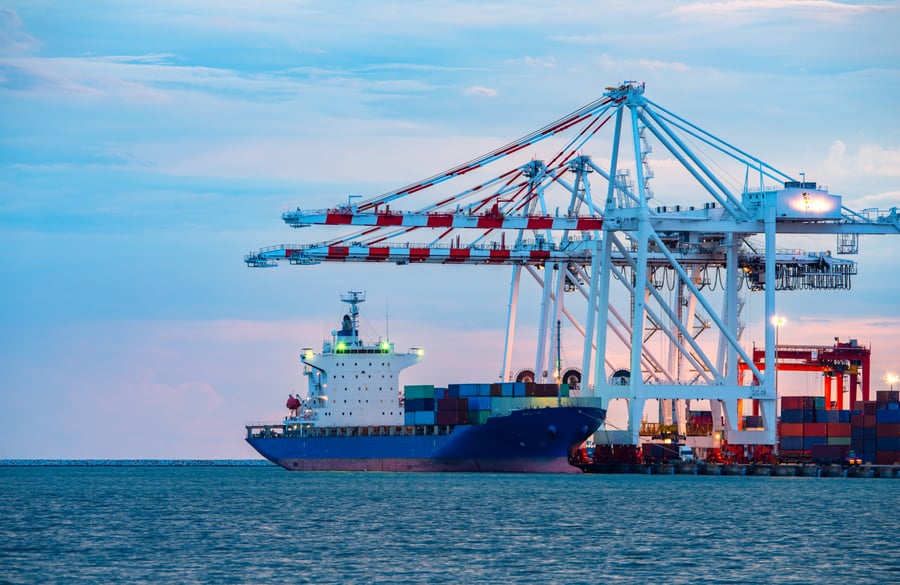
Most major shipping companies continue to reroute vessels via the Cape of Good Hope in Africa, leading to journey times that are 10-14 days longer from Asia to Europe, while industry experts expect this rerouting to persist well into mid-2025. With Houthis having targeted over 90 commercial vessels in more than a year of attacks, and ongoing U.S. military operations in the region, the Red Sea remains too risky for most commercial shipping, severely disrupting just-in-time logistics models.
3. Sanctions, Ethics, and Reputational Risk
In 2025, sanctions compliance is more complicated than ever. SME manufacturers and global giants alike face mounting risks from unknowingly engaging with sanctioned suppliers or UBOs (Ultimate Beneficial Owners). A single violation can result in frozen assets, revoked contracts, or reputational damage that cascades down the supply chain.
As Dr. Talay succinctly puts it:
“Even when large manufacturers survive a sanctions breach, their suppliers may not.”
The lack of transparency in cross-border ownership and payment routes continues to jeopardise trust and financial continuity in global supply net
Strategic Tools to Mitigate Risk in 2025
The future of manufacturing resilience lies in real-time visibility and risk intelligence. Creditsafe continues to empower over 20,000 global manufacturers with actionable insights into both financial health and reputational integrity.
1. Combatting Reputational Risk
- KYC Protect offers detailed insights into ownership structures, directorships, and UBOs.
- Screen against sanctions, enforcement actions, politically exposed persons (PEPs), and insolvency registers with a single click.
2. Tackling Financial Risk Head-On
- Creditsafe’s business reports offer deep visibility into creditworthiness, Days Beyond Terms (DBT), and payment history, ensuring suppliers are financially sound before onboarding.
- Enhanced monitoring enables early warning alerts for potential defaults, insolvencies, and litigation.
Final Thoughts: Is the Sector Truly Stabilising or Just Catching Its Breath?
While global insolvencies in manufacturing dipped slightly at the start of 2025, this may not signal a lasting turnaround. Instead, it reflects the short-term relief experienced in more robust economies like the US, UK, and Netherlands, while major European economies continue to falter.
The next chapter will be determined not just by macroeconomic shifts but by how well-prepared manufacturers are to anticipate risk—across finance, ethics, and operations.
Data visibility, supplier transparency, and proactive due diligence will be the decisive factors that separate surviving manufacturers from those on the edge of collapse in 2025.