How to Solve Transportation’s Biggest Finance Obstacles

The transportation industry face unique challenges: here's how to tackle them.

3 Mins
05/06/2026

The transportation industry sits at the heart of global commerce: as we’ve seen increasingly over the last few years, if goods can’t get where they need to go, things go downhill quickly. 

But financially, the transportation industry is one of the most volatile sectors to operate in. From unpredictable fuel costs to opaque payment data, finance teams are constantly reacting instead of planning.

Here’s how to tackle the biggest obstacles head-on.

A truck waiting for a freight load in a dock

The summary

The transportation industry is the backbone of the global economy, but it faces major obstacles when it comes to finance. 

Your transportation company may be struggling with:

  • Volatile fuel costs
  • Major exposure to customer risk
  • Unpredictable freight demand cycles
  • Rising labor costs
  • Inadequate or inconsistent payment transparency

But all of that is manageable with the right tools. High quality credit risk data, predictive analytics, integrated tools for automation, and visibility into every corner of the industry can all help you face those problems head on.


Volatile fuel costs destroy budget predictability

Fuel is one of the largest and most unpredictable expenses in transportation. Sudden spikes can wipe out margins overnight, making accurate forecasting nearly impossible. When your business can’t accurately predict future costs, it becomes even more difficult to:

  • Prioritize collections
  • Make strategic business decisions
  • Plan for the future
  • Grow your business

How to solve it:

  • Implement fuel hedging strategies to lock in prices where possible 
  • Use real-time fuel analytics tools to track trends and optimize purchasing 
  • Adopt dynamic pricing models that allow fuel surcharges to adjust with market conditions 
  • Improve route optimization to reduce unnecessary fuel consumption 


In short, when your transportation business is financially healthy, you can shoulder fluctuating fuel costs. The right credit risk data helps your sales and finance teams understand which companies are the right business move to keep your cash flow healthy: start there. 

Major exposure to customer credit risk

Transportation companies often extend credit across a wide and fragmented customer base. Brokers, wholesalers, and retailers can all represent different levels of financial risk. Think of it like a house of cards: one bankruptcy or even a single defaulted account can cascade into serious cash flow issues.

A man with a clipboard assessing two transport trucks in a garage

How to solve it:

  • Use real-time credit monitoring instead of static credit checks 
  • Segment customers by risk level and adjust payment terms accordingly 
  • Leverage trade credit data to understand actual payment behavior, not just financial statements 
  • Automate credit decisioning to scale risk management without slowing operations 

The key shift is moving from reactive collections to proactive risk prevention.

Unpredictable freight demand cycles

Freight demand is notoriously cyclical, influenced by economic conditions, seasonality, and global disruptions. A financially healthy transportation company can look wildly different in a low season versus the run-up to the holidays, for example. But while some elements of freight demand are predictable and seasonal, others seem to come out of nowhere. 2020 supply chain crisis, anyone? 

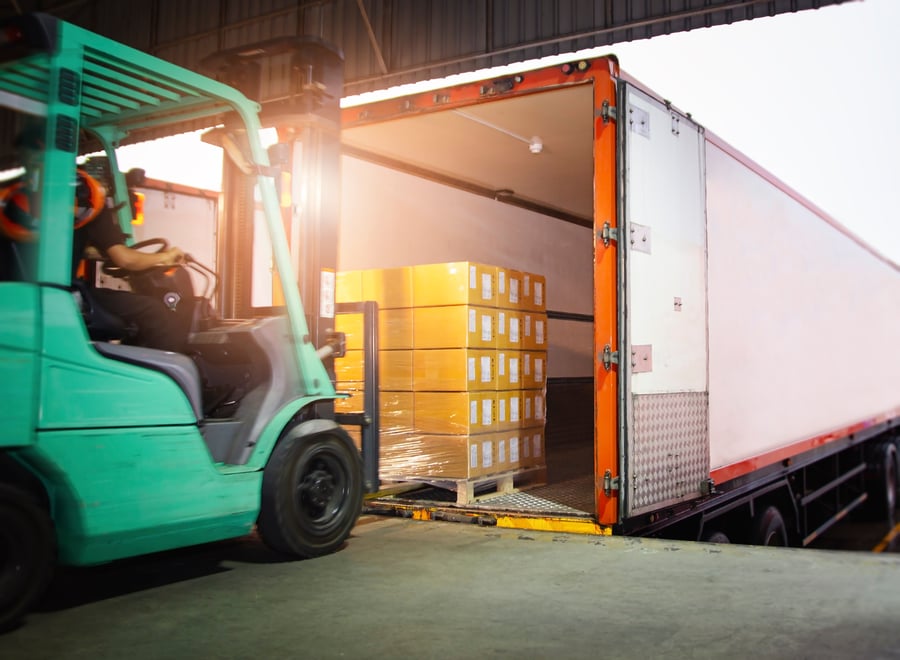
A green forklift loading a white transport truck

How to solve it:

  • Use predictive analytics to anticipate demand fluctuations 
  • Diversify customer portfolios across industries to reduce dependency on one sector 
  • Adopt flexible cost structures 

More often than not, you aren’t going to be able to eliminate cycles and keep things consistent throughout the whole year. Instead, resilient transportation companies build their systems to adapt to those cycles. 

Rising labor costs

Driver shortages and increasing wage pressures are pushing labor costs higher across the industry. Retention, recruitment, and compliance all add to the financial strain.

A person in white gloves looking at something on a tablet in front of a transport truck

Cutting corners can sound appealing when you look at things from a financial perspective. Lower costs can equal higher profits, and it’s something many businesses are no stranger to. But, like everything in the transportation industry, you need to think long-term. Investing in your compliance strategy, like using compliance software to continuously monitor customers, partners, and suppliers, is what saves your cash flow in the long term. If you’re caught out working with companies who don’t prioritize compliance, you’ll see fines, legal fees, reputational damage, or worse. 

How to solve it:

  • Invest in workforce optimization tools to improve scheduling and utilization 
  • Enhance driver retention programs to reduce costly turnover 
  • Automate back-office operations to offset administrative labor costs 
  • Benchmark compensation using market data to stay competitive without overpaying 

Inadequate or inconsistent payment transparency

One of the most overlooked financial obstacles in transportation is the lack of clear, consistent payment data. Many companies still rely on fragmented information, making it difficult to assess customer reliability or predict cash flow.

But that’s changing.

With Creditsafe’s access to over $1 trillion in anonymized trade payment data from sources like Ansonia, transportation companies can now see:

  • How quickly businesses actually pay their suppliers 
  • Payment trends across industries and regions 
  • Early warning signs of financial distress 
  • Peer comparisons to benchmark customer behavior 

This enhanced data gives you real-world, behavioral insights into how companies operate financially. Instead of relying solely on traditional credit scores, which don’t always show the full picture, our enriched data helps you peek behind the curtain of the businesses you work with.  

How to use enriched payment data:

  • Integrate enriched trade payment data into credit and finance workflows 
  • Use payment transparency to refine credit limits and terms 
  • Monitor customers continuously instead of relying on point-in-time checks 
  • Improve cash flow forecasting with accurate payment behavior insights 

Trade payment data is the closest thing you can get to a crystal ball in the transportation industry. When you understand how your customers and suppliers pay other businesses, you can be confident in your estimate of how and when you’ll be paid. 
Improve forecast confidence with shared credit risk visibility

Let's talk about how you can integrate Creditsafe data.

Required field! Please enter at least 3 characters! Special characters are not allowed!
Required field! Email address is invalid! Email address is invalid!
Required field! Please enter at least 3 characters!
Required field! Phone number is invalid!
Please select an option! Required field! Please enter at least 3 characters!
Spinning Loading Circle

Frequently Asked Questions

Why is the transportation industry financially volatile?

The transportation industry faces constant financial pressure from fluctuating fuel prices, changing freight demand, rising labor costs, and customer payment risk. These variables can make budgeting and cash flow forecasting difficult without access to reliable financial data and predictive tools.

How can transportation companies reduce customer credit risk?

Transportation companies can reduce customer credit risk by using Creditsafe's real-time credit monitoring, trade payment data, and automated credit decisioning tools. These solutions help businesses identify high-risk customers early and adjust payment terms before cash flow issues arise.

What is trade payment data, and why does it matter?

Trade payment data shows how businesses actually pay their suppliers and vendors over time. Unlike traditional credit scores alone, payment data provides behavioral insights into payment habits, helping transportation companies make more informed credit and finance decisions.

How do fuel costs impact transportation company profitability?

Fuel is one of the largest operational expenses in transportation. Sudden increases in fuel prices can quickly reduce profit margins and disrupt financial planning. Companies can manage this risk through fuel hedging, route optimization, and dynamic fuel surcharge models.

How can predictive analytics help transportation finance teams?

Predictive analytics helps transportation companies forecast freight demand, identify financial trends, and prepare for market disruptions. By using forecasting tools and macroeconomic indicators, finance teams can make more proactive business decisions instead of reacting to unexpected changes.

What financial tools should transportation companies invest in?

Transportation companies should prioritize tools that improve visibility and automation, including real-time credit monitoring platforms, predictive analytics software, trade payment data solutions, compliance monitoring systems, and workflow automation tools. Creditsafe's suite of credit risk solutions helps businesses focus on strategic growth while making smarter business decisions.

Yesinne Alvarez

About the Author

Yesinne Alvarez, Partnerships and Alliances, Creditsafe

Yesinne Alvarez is Manager of Partnerships and Alliances at Creditsafe and supports the Trade Data Team with deep cross-functional expertise. With extensive experience in Relationship Management, Project Management, and Business Development, Yesinne brings both authority and trust to her role. Her background includes senior roles in recruiting and strategic development for Fortune 100 companies. A recognized expert and respected thought leader in the Credit to Cash community, Yesinne has frequently spoken at industry events and served in leadership roles, reinforcing her trusted status in the credit and finance space.

Chapter 1

Related content...