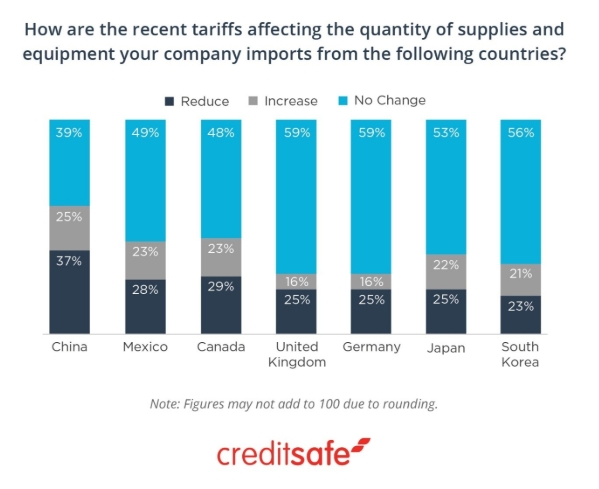
On top of this, 47% of the respondents said the recent tariffs have led them to look for alternative suppliers in new countries. But it’s not as easy as just saying – ‘hey, we need to find new suppliers in countries with lower tariffs.’ The main reason these companies are looking for new suppliers is to avoid paying higher tariffs. While cost is certainly an important factor in the decision, there are many other things you need to consider before signing a contract with any new suppliers. Like what, you might be asking?
You don’t want to do all the work of finding new suppliers in countries with lower tariffs only to find out the new suppliers are heavily cash-strapped and lost several large contracts in recent months. If they don’t have enough income and cash flow to source materials and equipment for your orders, pay workers and ship your orders in full and on time, all that work you did will be futile. Your supply chain will likely take the hit – with delayed or cancelled shipments, frustrated customers and potentially impacted revenue if customers go elsewhere. Definitely not an ideal situation, right?
The way to avoid this is to do a thorough review of the business credit reports for every new supplier you’re considering adding into your global supply chain. You need to pay close attention to a few things, including how late they typically pay their suppliers, what percentage of bills are falling into the excessively late categories (91+ days late), their credit limit and if it’s dropped significantly in recent months, the number and cost of legal filings, among other information.